

Administrative Areas
Mongolia is divided into capital city and aimags, with further division of aimags into soums, soums into bags, capital city into districts, and districts into horoo. There are 21 aimags (regions) with 3 ‘city regions’ - Darkhan-Uul, Orhon, and Gobi-Sumber - Erdenet and Choir respectively.
Local administration functions on the basis of "self - government and central guidance".
State power in the aimags and Ulaanbaatar is exercised for four - year terms by governors (zasag darga) nominated by the prime minister; local citiziens elect hurals of representatives.
The average population density of Mongolia is very low (1.5 persons per 1 sq.km), and of Omnogovi Aimag is extremely low(0.2 persons per sq.km). Mongolia is a comparatively young country. Two-third of the Mongolian population is below 30 years of age.
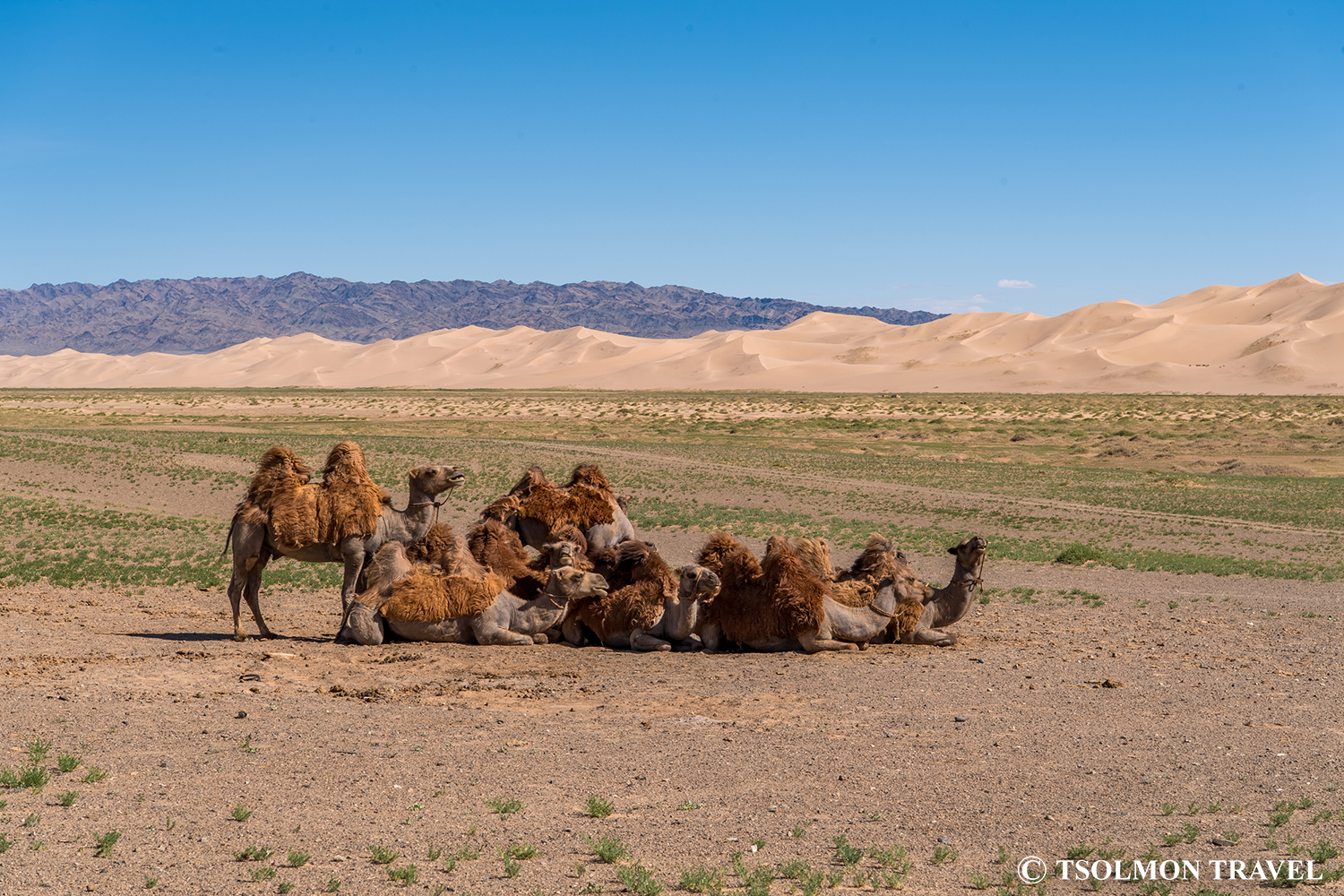
Temperature Winter, temperature is averagely -20 to -35° C. In the Uvs Lake basin in northwestern Mongolia, known as one of the coldest places in all of Asia, the lowest temperature ever recorded is -58° C. By contrast, summer time temperatures in the Gobi desert climb as high as 40° C.
Sunshine. Mongolia is the country of the blue sky, as enjoying 250 sunny days a year.
Rainfall and Snow. Monthly and yearly amounts of precipitation are extremely changeable according to the territories and the seasons. Summer precipitation prevails over the entire territory of Mongolia, for 80-90 percent of the annual rainfall.
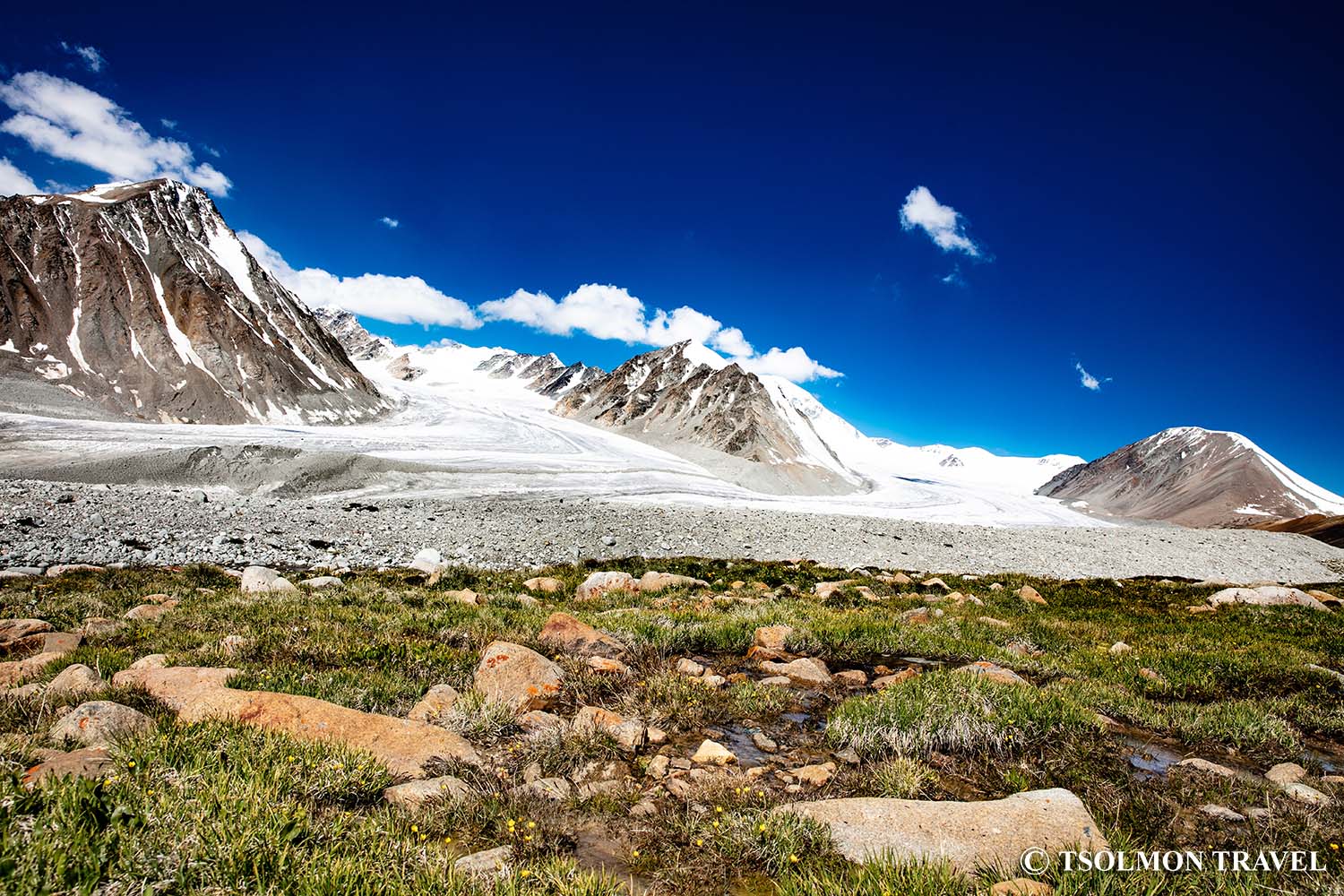
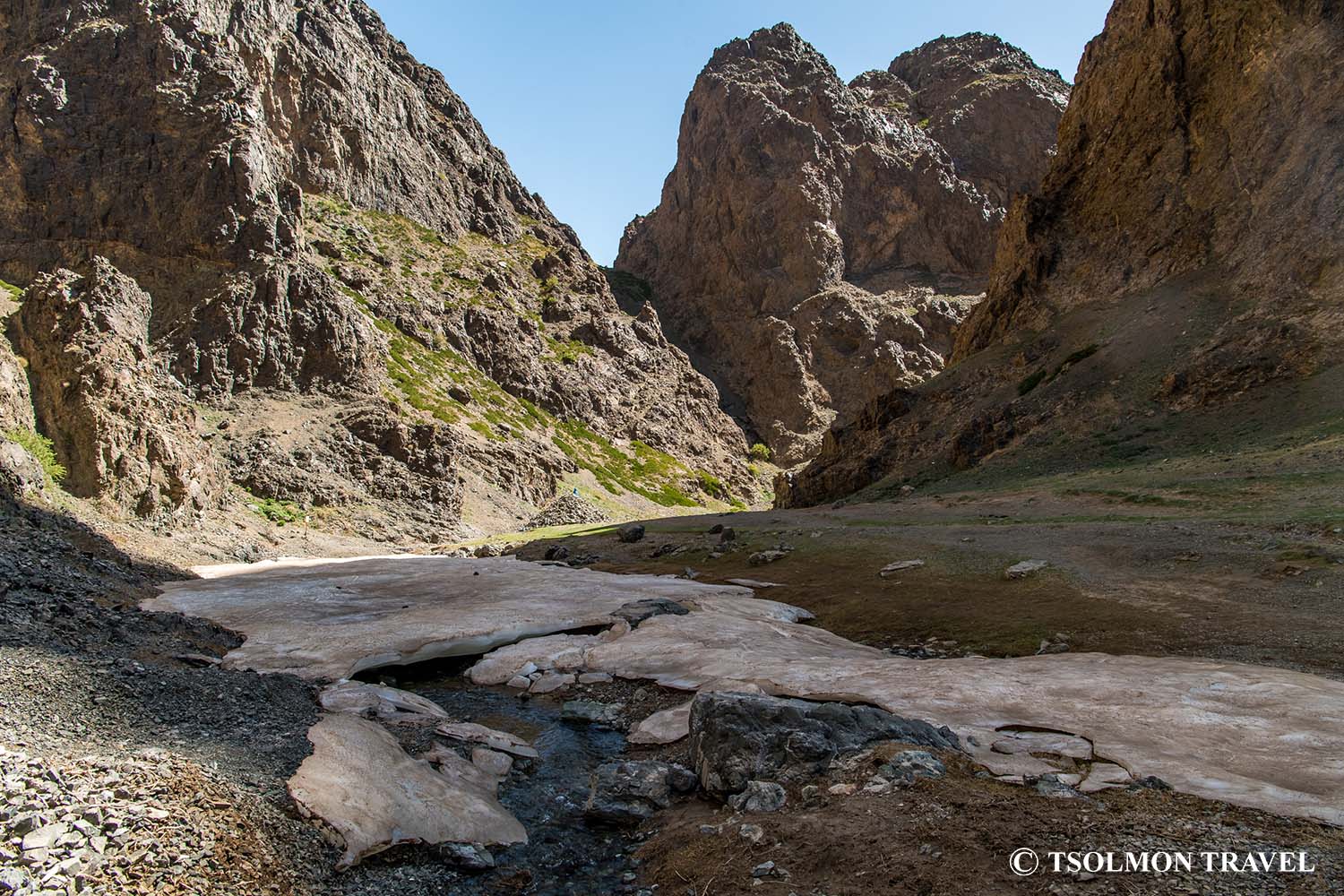
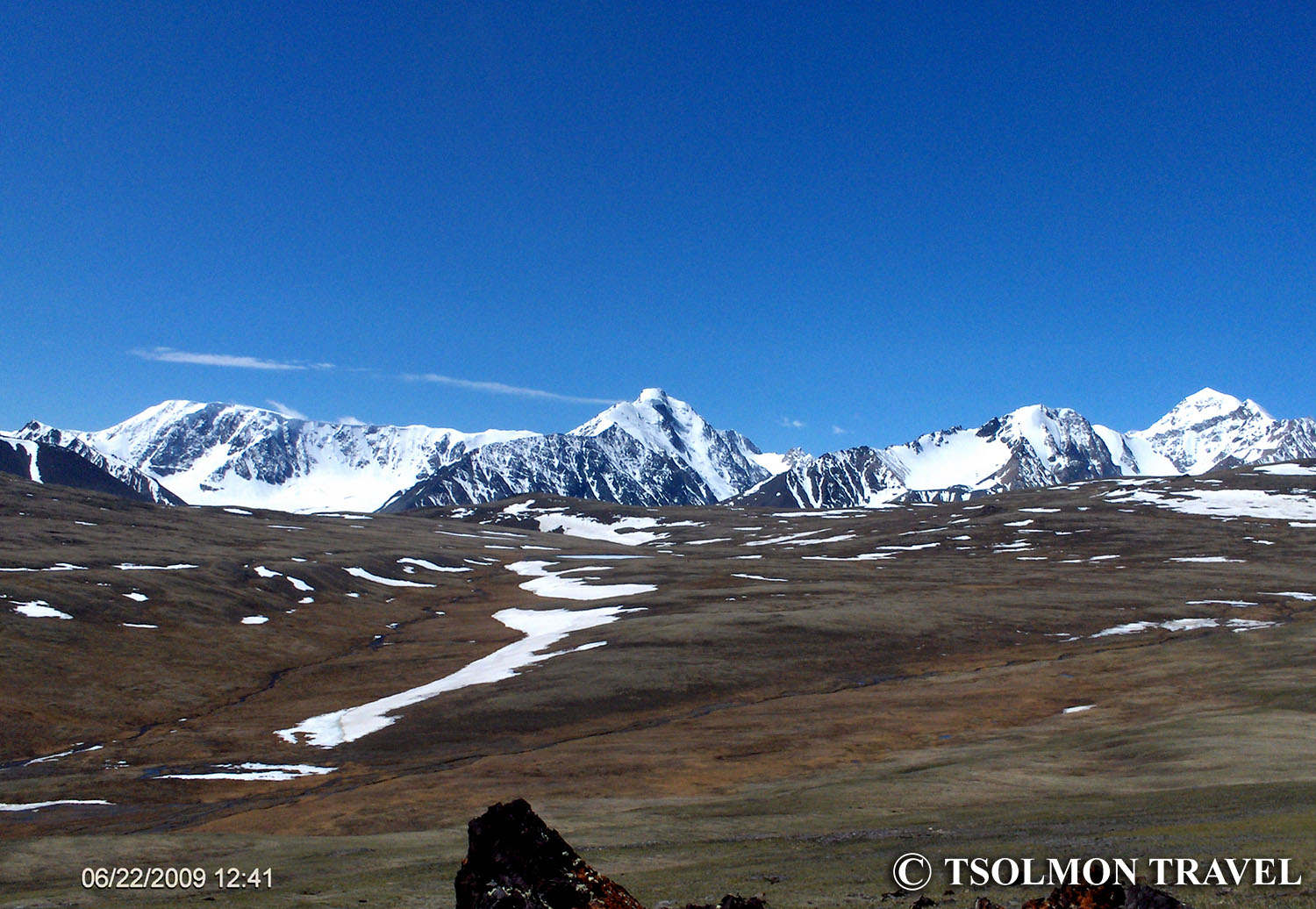
Enough rain usually occurs in July and August. The highest peaks have small glaciers. Annual precipitation ranges from 600 mm in the Mountain ranges but less than 100 mm in the Gobi. In some parts of the Gobi, no precipitation may fall for several years in a row.
Political Structure.Mongolia is a multi-party, parliamentary democratic country. Presidencial and Parliamentary elections take place once a four years.

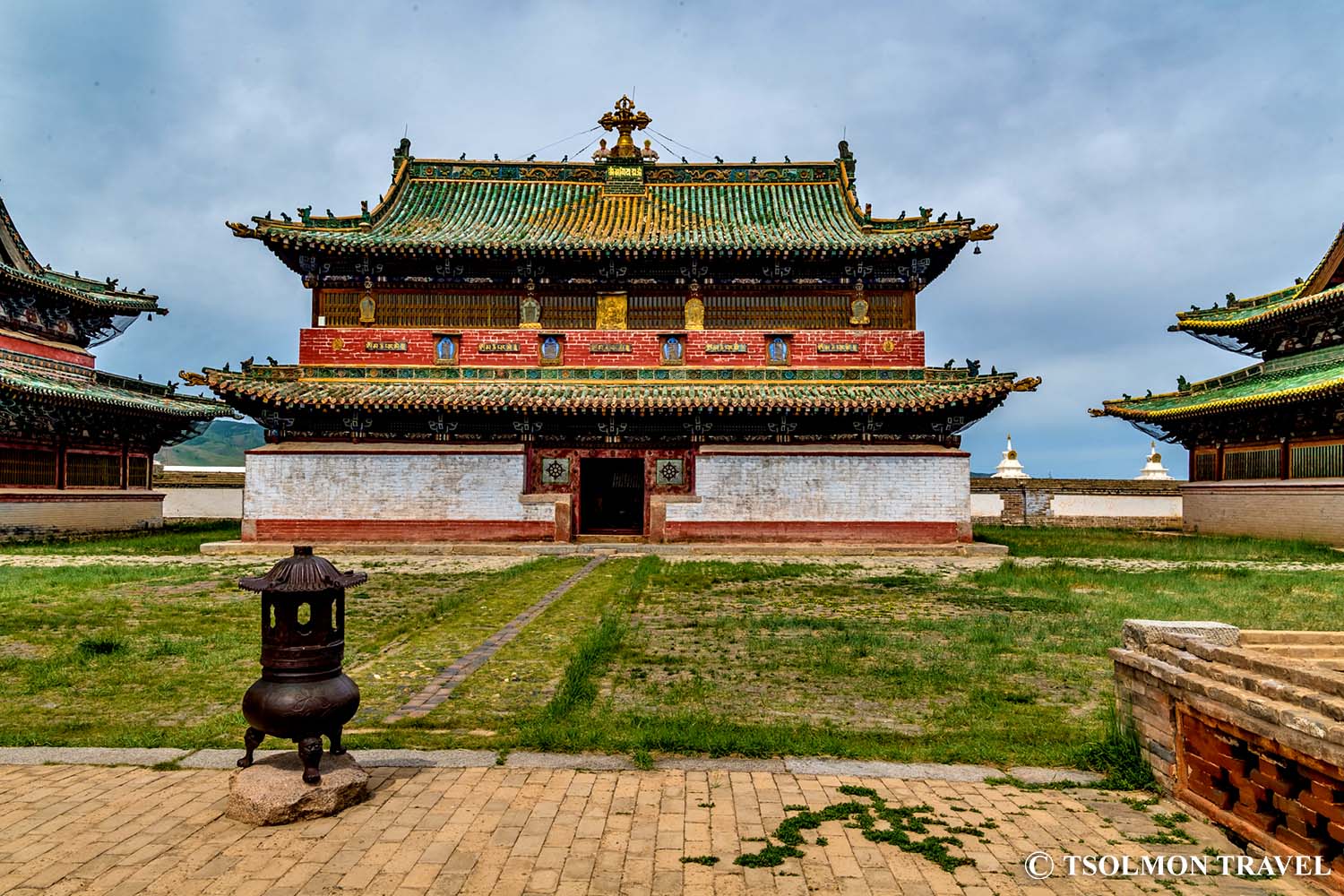
Religion. Shamanism and Buddhism co-existed in Mongolian from the times of Chingis Khan. Khubilai Khan (grand son of Chingis) made Buddhism the state religion of the Yuan Empire. During the 16th century, Tibetan Lamaism came to Mongolia and numerous monasteries were built from the 17th century onwards, when Mongolia developed into a theocracy with strong links with Tibet. In the 1930’s and 40’s,following the Stalinist system, more than 740 temples and monasteries were destroyed. People couldn't express their feelings openly during that time.The 3 major Buddhist centers in Mongolia are Gandan, Erdene Zuu and Amarbayasgalant monasteries which built by the first theocrat ruler Ondor Gegeen Zanabazar.

Language. The modern Mongolian language, as the national language, developed on the basis of the . Today, the Mongolian language comprises several dialects, including Halh, Buryad, Oirat, Tsahar, Harchin, Horchin, Ordos and others.Over 90 % Khalha Mongol (Mongolian language). The official national language is Khalkhan Mongolian. Minor languages include Khazakh. Kazakh is spoken by 5% of the population.The Russian Cyrillic script was introducted in 1946,but in recent years the traditional Mongolian script has been taught again in primary and secondary schools.Today many other foreign languages are being studied and used among Mongolians, such us English, Russian, German, Japanese etc.

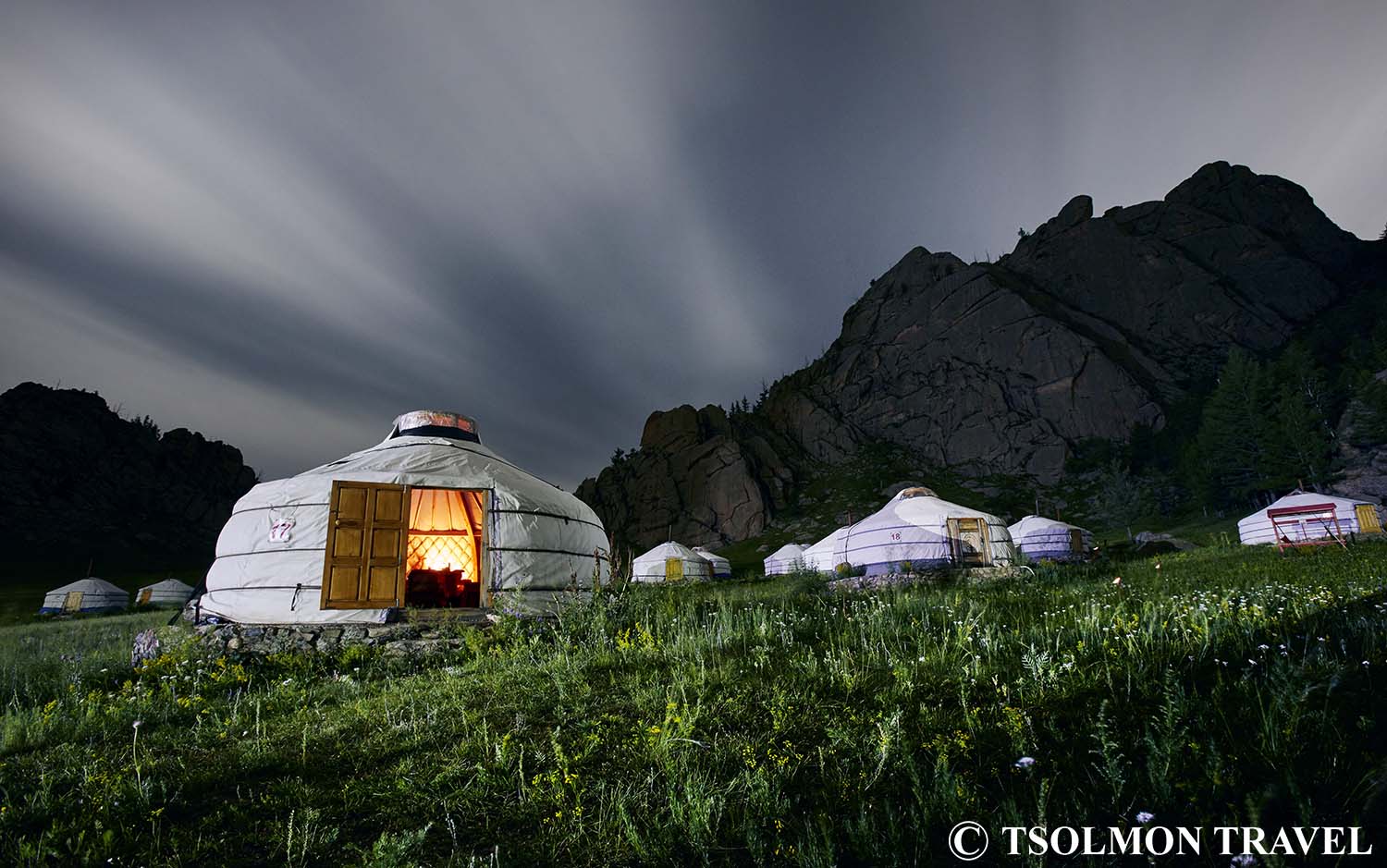
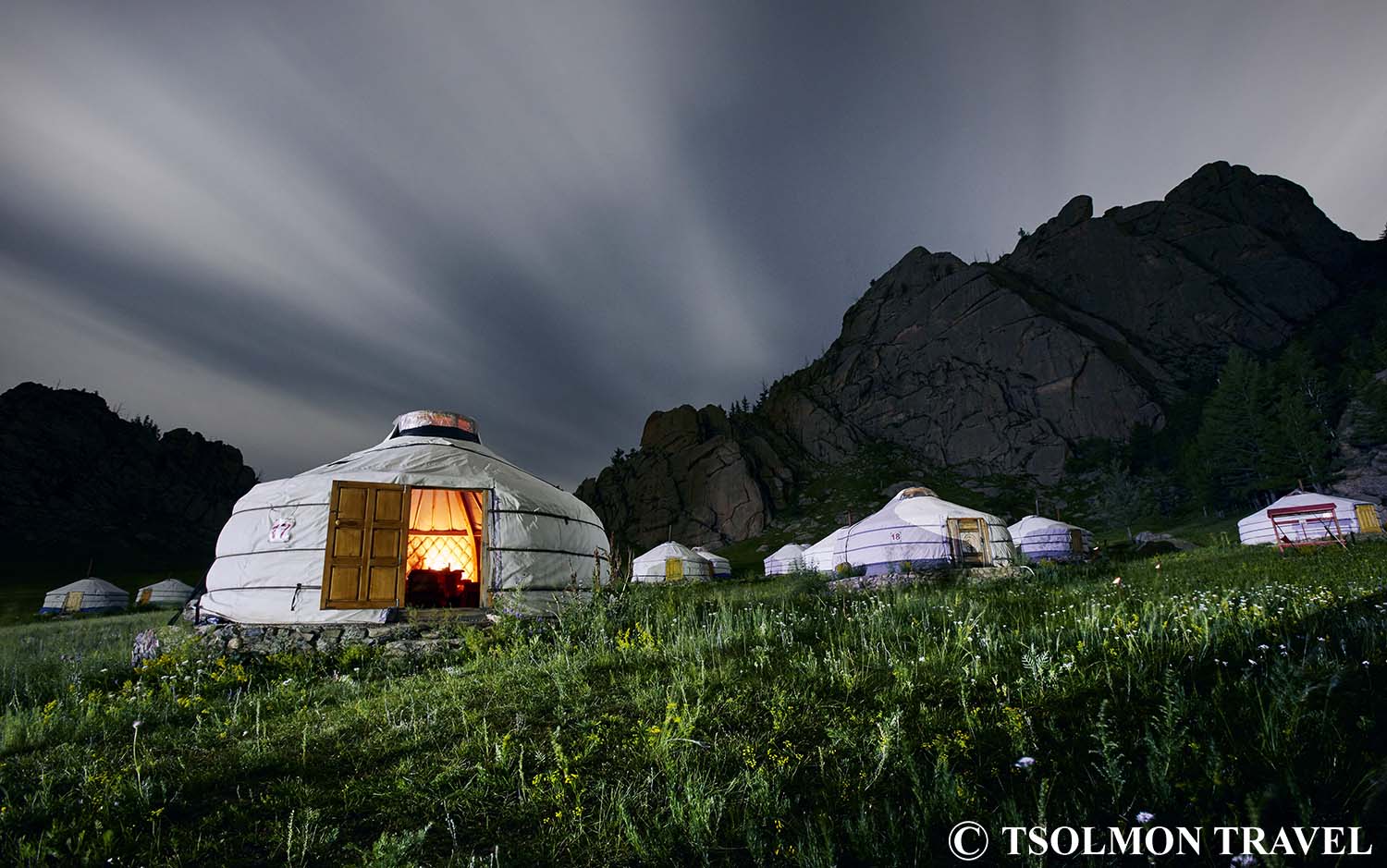
The Ger. The ger is ideally suited to the country’s sharply continental climate and the peoples nomadic life. This multi-purpose dwelling can be easily collapsed, transported and put up again. The Ger was developed by nomads in ancient times and is continually been used to the present day, although in recent decades it is rapidly giving way to permanent housing. History has preserved information about giant gers built on wheeled platforms. 22 oxen hauled the platform. Big gers of this kind were built for the nobility .The number of walls and poles determines the size of the ger. Most of the time herdmen’s gers have 5 walls, giving a living area of 16-18 sq.m. The gers of noblemen of olden times had 10-12 walls.
The ger has two key components: the wooden skeleton and the felt cover. The warped wooden walls ( khana ), the long spokes ( uni ), the smoke escape (toono), and its pillars (bagana). Two wooden pillars underpin the smoke escape. After the wooden assemblages of all this parts the ger takes its proper shape, the wooden framework of the ger bears a close resemblance to a put up umbrella. The inside wooden framework of the ger walls is a trellis of warped wood, each section of wall made up of a lattice of around 15 wooden poles.
From the top of the cylinder toward the apex of the pop-cone long light wooden spokes run concentrically. Thus, around it felt layers are laid out as a cover. In the center of the ger is the hearth which has a special significance for the Mongols. Apart from is utilitarian purpose, the hearth (golomt) symbolizes ties with the family’s ancestors. The entire outside surface of the ger is covered with felt, tied in place by ropes made of hair and wool. One layer is sufficient in the summer season. Two or three layers are necessary in winter. Smaller tables are always present, but play a less important role. Mongols never sit on a table. To the right of the bed is the traditional place for the Buddhist altar, sutras, or other religious objects. The area opposite the door, just in front of the marriage bed, is the honored spot in the ger where the head of the family usually takes his place. When visitors come to the ger, the host may seat himself to the right of the door and urge the guest to be seated in the honored place. Nomadic Mongol families sometimes had two or three gers, the largest for the family head is situated farthest west and the other gers extend to the east.The last one houses the kitchen facilities, foodstuff, milk and dairy products and so forth.